New Doors · Toronto
Wind-Rated Garage Door Replacement
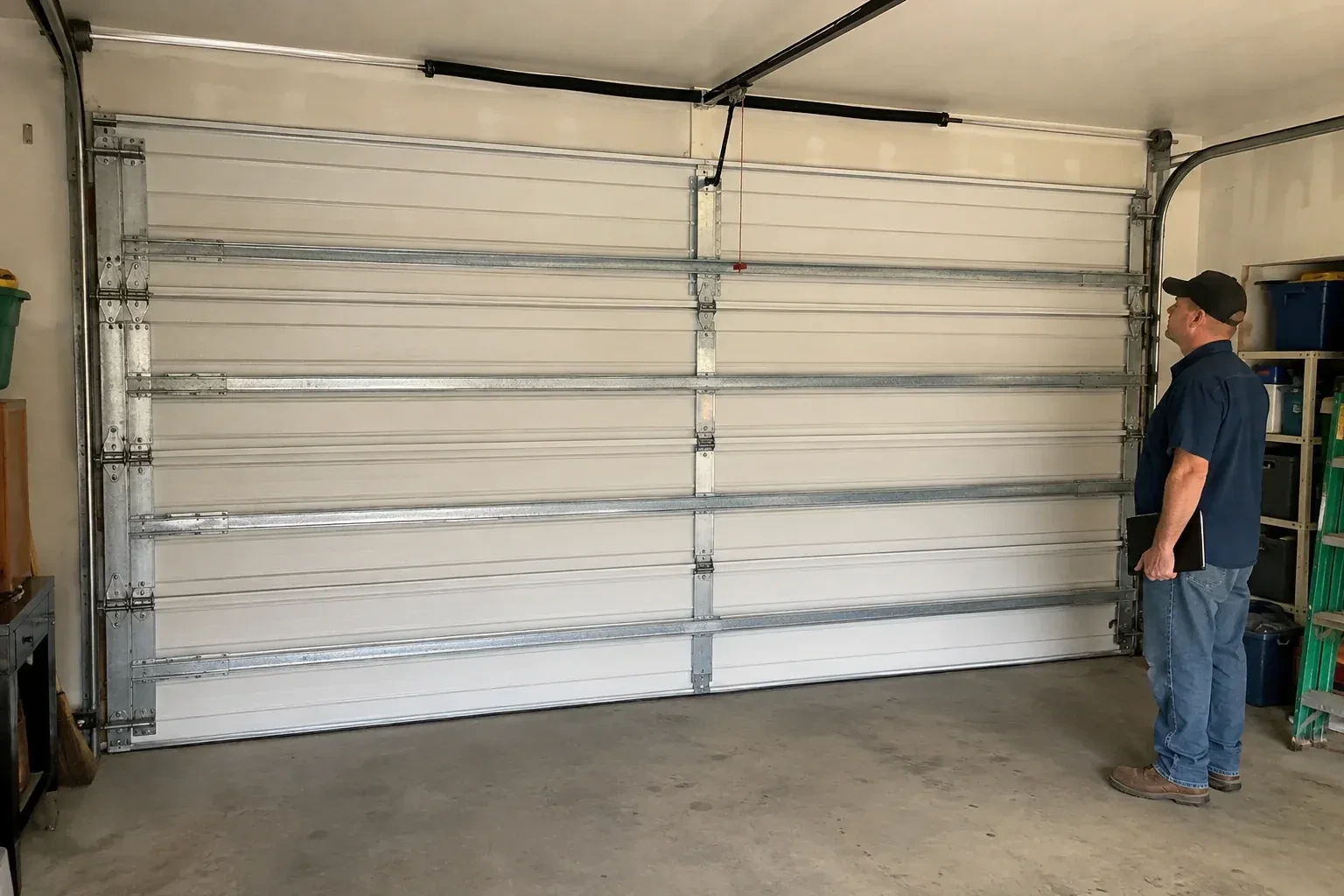
The current double door shudders when pressure changes outside, and daylight appears briefly along one edge. Its tracks are light, the jamb material is aging, and no one knows which reinforcement was originally specified.
Wind-Rated Garage Door Replacement
In plain words
When permit drawings or a building designer specify wind criteria, the replacement is planned from those documents rather than from appearance alone. Opening measurements and mounting conditions are compared with the door configuration's supporting information, including permitted sizes, section construction, reinforcement, tracks, and fastener layout. The delivered parts are checked before assembly and installed as one coordinated system. A clear record of the selected door and installed components stays with the property, making future inspection and hardware matching more straightforward.
How the visit goesYou are combining two narrow garage bays into one broad opening. The new door spans much farther than either old door, bringing section reinforcement, track strength, jamb attachment, and design pressure into the planning conversation.
Toronto
How the visit goes
Trace loads into the structure
The door is only one link in the path that carries wind force. The survey looks behind finishes where practical to identify wood, masonry, concrete, or steel framing, then examines the jamb material, header area, fastener condition, and mounting faces. Splits, decay, loose blocking, thin cladding, or anchors placed into unsuitable material are documented. This determines whether ordinary preparation is enough or whether a builder or structural professional should coordinate improvements so the new tracks and brackets connect to dependable support.
Connect the operator correctly
After manual travel is satisfactory, a suitable opener is attached through the specified reinforcement bracket rather than directly to an unsupported section skin. The rail, header bracket, door arm, and ceiling supports are aligned for the new door geometry. Travel limits and operating force are reset for the finished assembly. Photoelectric sensors are aligned near the floor, the manual release is demonstrated, and both beam interruption and contact reversal are tested under controlled conditions before powered use begins.
Compatible parts in future service
When a roller, hinge, bracket, strut, track piece, or section eventually needs attention, the existing part is matched against the door documentation rather than selected by appearance. Thickness, material strength, hole pattern, roller stem length, and fastener location may be significant even when two pieces look alike. Sharing the installation record at the start of a service visit keeps the repair tied to the intended assembly. It also reduces guesswork around the heavier hardware often used on a wind-rated configuration.
Wind-Rated Garage Door Replacement
In the van
- Lift cables and drums
- Operator reinforcement bracket
- Winding bars and levels
- Reinforced end hinges
- Jamb and flag brackets
What affects the quote
Same fees day, night or weekend
1Operator compatibility
The existing opener, rail, supports, door arm, reinforcement bracket, controls, and safety devices are reviewed against the completed door's weight and geometry.
2Opening width and height
Door area and span influence section construction, reinforcement, track layout, spring sizing, material handling, and the documented configurations available for the project.
3Window configuration
Glazing size, placement, pane type, frames, and retainers affect section layout, finished weight, reinforcement selection, privacy, daylight, and exterior appearance.
Wind-Rated Garage Door Replacement: questions
What should I watch for during strong winds?
During strong or severe winds, shelter in a basement or small interior room away from windows, doors and exterior walls, rather than watching the door while it blows. Once conditions have passed, look over the opening: note unusual bowing, new creases, displaced rollers, loose attachments, perimeter gaps, or movement at brackets and jambs, and let these details guide a later assessment.
How is the new door tested after installation?
Technicians cycle it by hand to assess balance, cable tracking, roller travel, clearances, and seal contact. After the operator is connected, they set the open and close limits, confirm the manual release, interrupt the photoelectric beam, and conduct the prescribed contact-reversal check. Hardware and reinforcement receive a final visual review with the door closed and raised.
Why are both positive and negative pressures important?
Wind can push a closed door toward the garage or create suction that draws it outward. Those actions load sections and hardware differently, including rollers, hinges, tracks, and attachments at the jambs. A suitable configuration addresses both directions using the pressure values and details established for the project rather than treating reinforcement as resistance in only one direction.
Installation & Upgrades
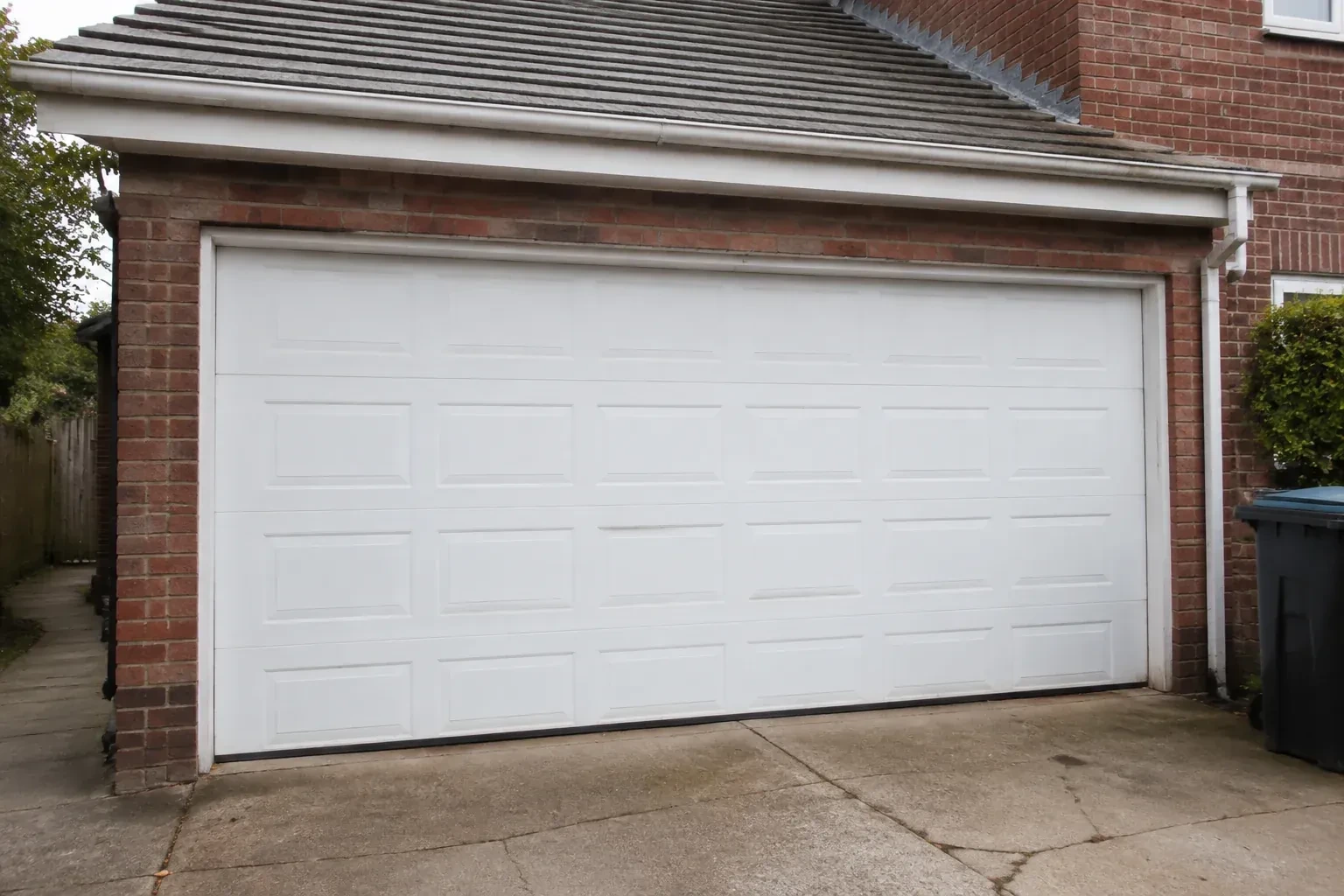
- Insulated Steel Garage Door InstallationYou want windows for natural light without turning the garage into a cold glass wall.
- Carriage-House Garage Door InstallationYou appreciate the grain and depth of traditional wood doors, though regular refinishing is not…
- Full-View Glass Garage Door InstallationThe garage works as a studio during the day, yet the closed solid door leaves it dependent on…
Wind-Rated Garage Door Replacement near you
Residential and commercial customers in Toronto come to us for spring and cable replacement, off-track resets, opener diagnosis and replacement, remote and keypad programming, weatherstrip and seal work, balance adjustments, panel repair and new door installation. Each service is explained on its own page in plain language.